Sowing Cutting Flowers Seeds
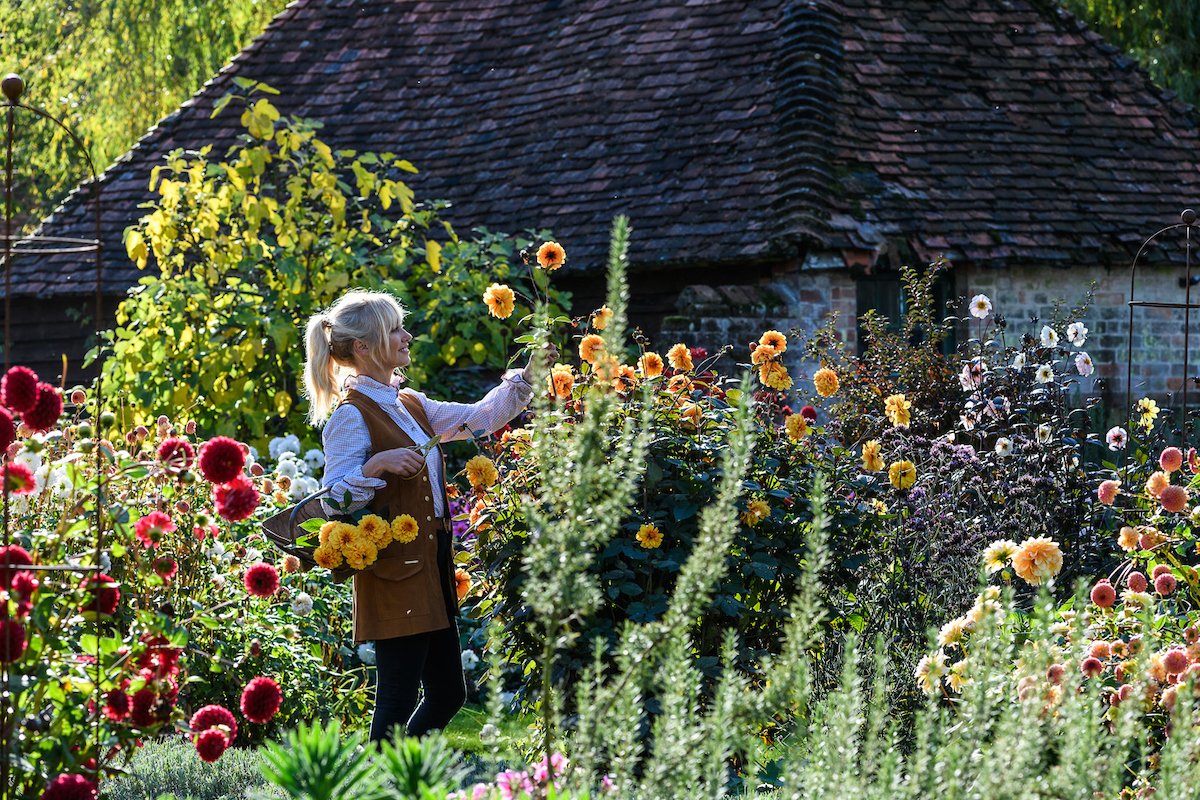
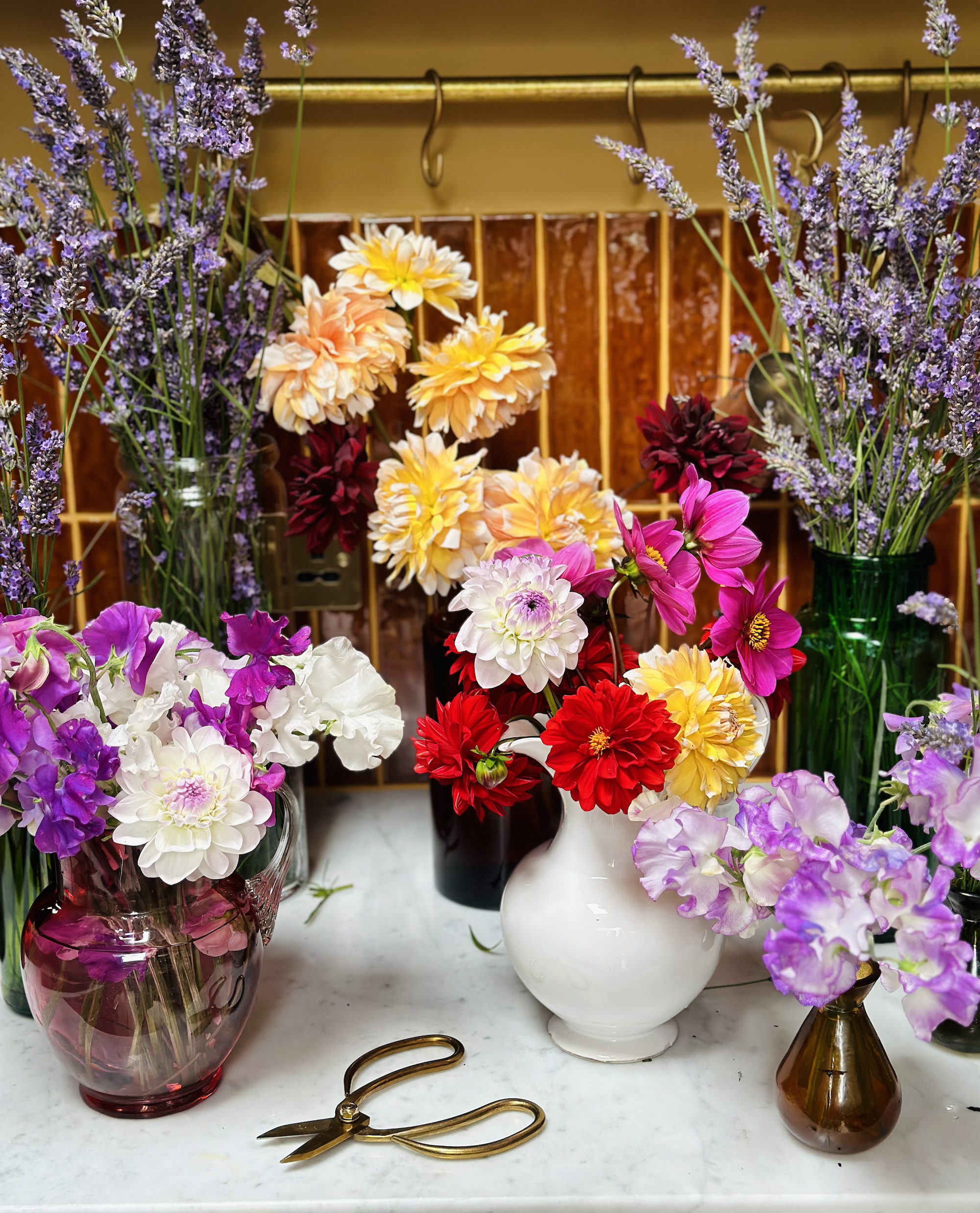
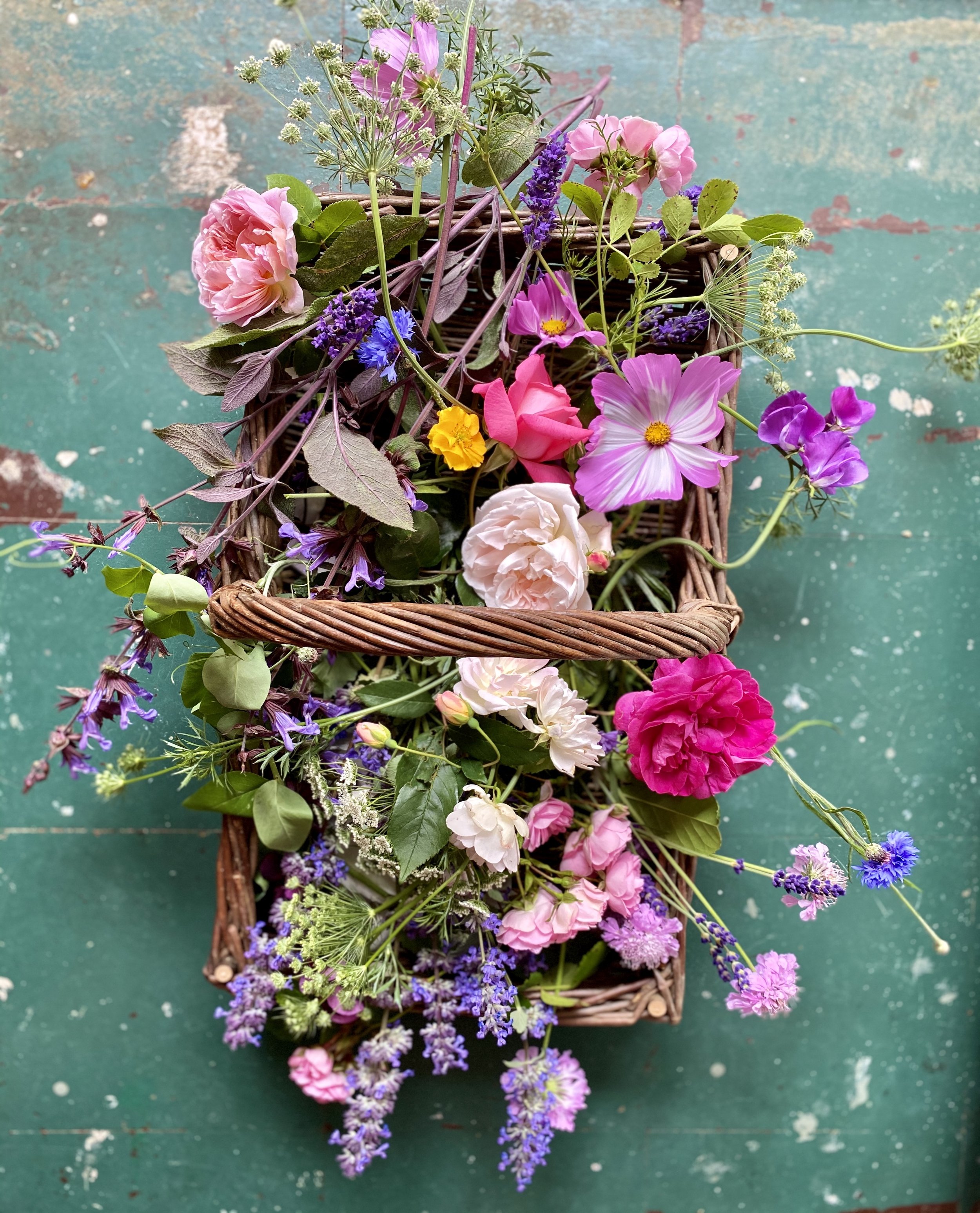
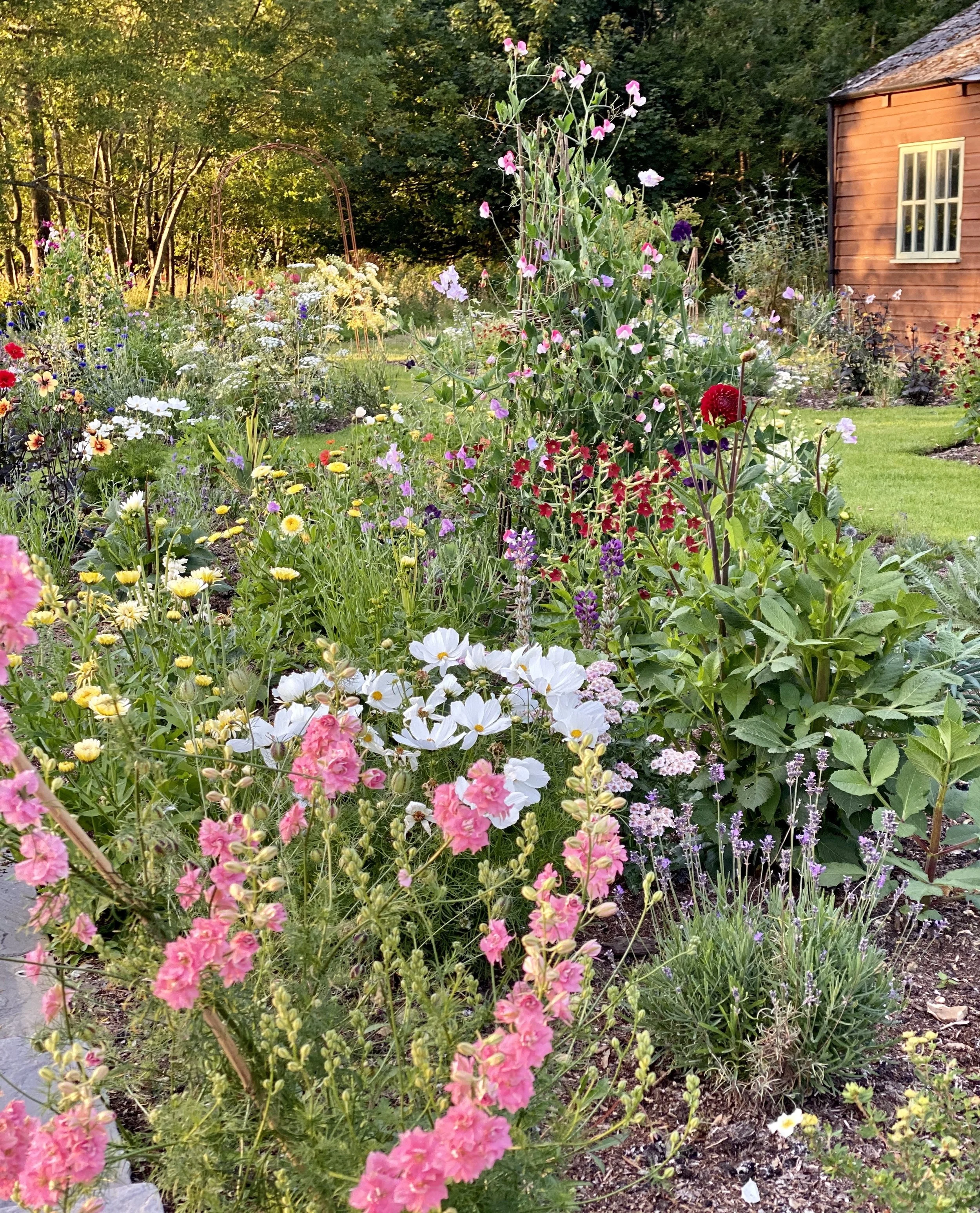
There’s a wonderful sense of renewal in the air this week, so great to have a sunny warm week! That unmistakable shift towards spring when the glasshouse feels alive again. I spent the past few days sowing seeds for my cutting garden, a ritual that never fails to fill me with optimism. Each tiny seed holds the promise of colour-filled summer days — armfuls of sweet peas spilling from jugs, clouds of cosmos dancing in the breeze, and delicate Nigella and delphiniums adding that touch of old-fashioned romance to the borders.
Starting your cutting flowers from seed is one of the most rewarding — and economical — ways to fill your garden with blooms. A few packets of seeds can become rows of abundance, and you get the joy of raising them right from the start.
My Cutting Garden Favourites
Sweet peas, cosmos, Nigella, delphiniums, zinnias, scabiosa, ammi majus, cornflowers, snapdragons, larkspur, phlox, and calendula.
How to Sow Seeds for Cutting Flowers
You’ll need:
Seed trays or small pots
Seed compost
Plant labels
Watering can or spray bottle
A warm, bright space — a glasshouse, windowsill, or heated propagator
Step-by-step:
Fill your trays: Start by filling each tray or pot with moist seed compost, gently firming it down without compacting the soil.
Sow the seeds: Sprinkle the seeds thinly across the surface — some, like sweet peas, need to be individually spaced, while others can be scattered.
Cover lightly: Check your seed packet for instructions — some need a fine layer of compost over them; others (like Nigella) prefer light to germinate and should be left uncovered.
Label and water: Write a label for each variety, then mist or gently water from below to avoid disturbing the seeds.
Keep warm and bright: Place trays in a warm, bright spot — a glasshouse is ideal. Most seeds germinate best between 15–20°C.
Watch for signs of life: Within days or weeks, you’ll see tiny green shoots. Keep the compost moist (not soggy) and turn trays regularly so seedlings grow straight.
Pot on and harden off: Once the seedlings are sturdy and have two sets of true leaves, move them into individual pots. Gradually harden them off outdoors before planting into your cutting beds.
There’s something deeply meditative about time spent in the glasshouse — the soft patter of spring rain on glass, the earthy scent of compost, and that quiet hopefulness of beginnings. In just a few months, the reward will be a garden brimming with flowers for the house and the bees alike.