
Rose & Fruit Tree Pruning

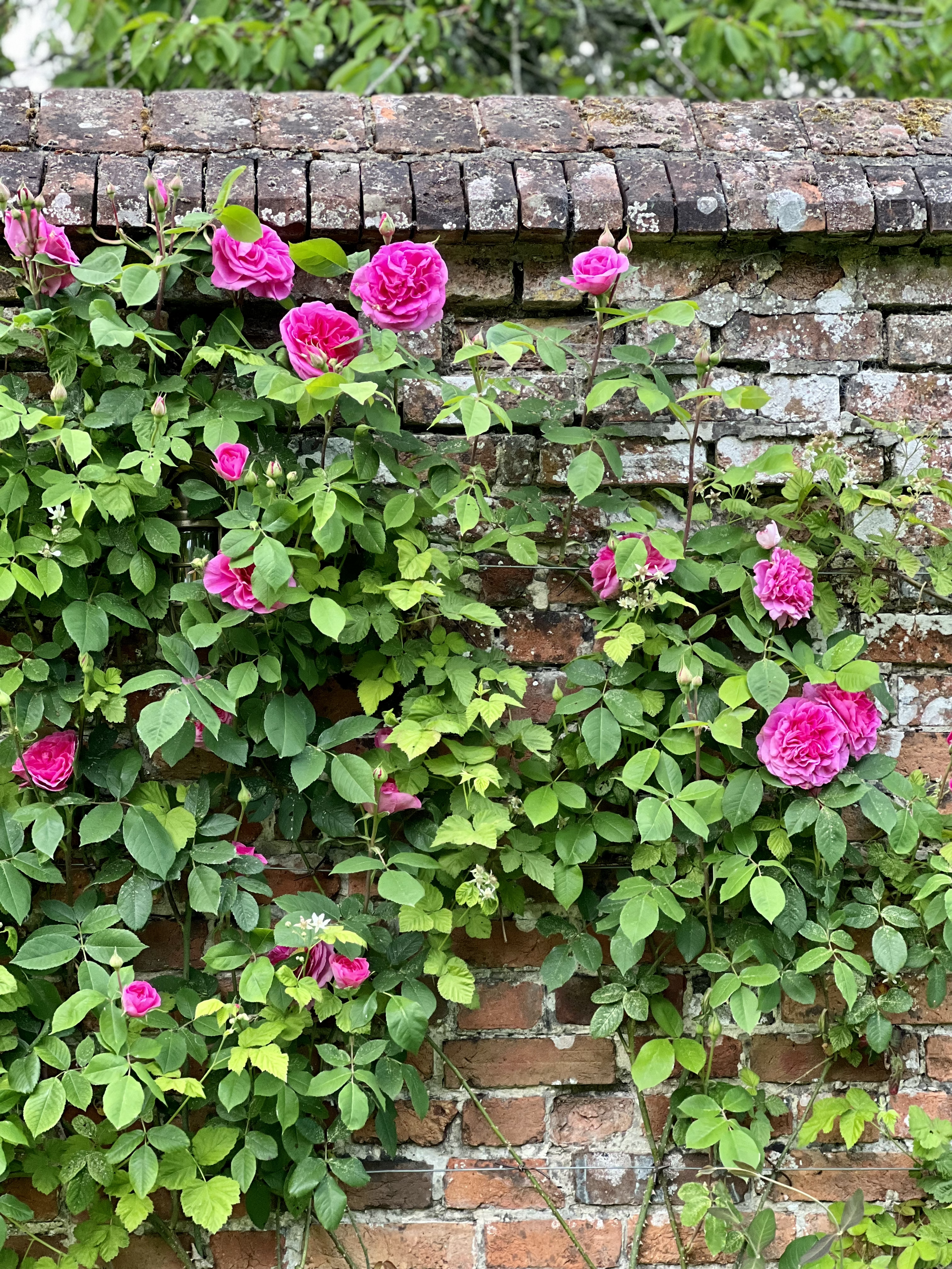

February is when the whole garden seems to hold its breath, but it’s the perfect moment to be bold with your secateurs. On Our Little Farm, pruning the roses and fruit trees has become a quiet winter ritual, clearing away last year’s tangle to make room for this year’s blossom. A few thoughtful cuts now will reward us with armfuls of scented roses and heavy, fruit‑laden branches when the warm days return. Harry looks after the roses (he is very proud of his roses!) and I (being the chef) look after the fruit tress!
Steps for pruning roses
1. Prepare and time it
Aim for late winter or very early spring, when the worst frosts have passed and you can see the framework clearly.
Put on sturdy gloves and use sharp, clean secateurs to make neat cuts that heal quickly.
2. Clear dead, diseased and damaged wood
Cut out any stems that are brown and dry inside, badly split, or obviously diseased, taking them back to healthy green wood or to the base.
3. Remove weak, spindly and crossing growth
Take out very thin shoots (rule of thumb: thinner than a pencil) as they rarely flower well.
Remove stems that cross and rub; keep the stronger, better‑placed one and cut out the other to prevent wounds and disease.
4. Open up the centre
Aim for an open, vase‑shaped plant, with stems radiating outwards so air and light can reach the middle.
Remove inward‑growing shoots that clutter the centre, cutting them back to their origin or to a bud on a better‑placed stem.
5. Shape and shorten the remaining stems
Reduce the height of the main stems by roughly one third to one half, depending on vigour and type, to create an even, balanced outline.
Make each cut about 5 mm above an outward‑facing bud, at roughly a 45° angle sloping away from the bud so water runs off.
6. Remove suckers and tidy up
If the rose is grafted, pull away any suckers arising from below the graft union or from the rootstock, tracing them back and removing them cleanly.
Steps for pruning fruit trees (apple and pear)
1. Check timing, tools and aim
Prune established apple and pear trees between November and March on a dry, frost‑free day while they are dormant.
Have sharp secateurs, long‑handled loppers and a pruning saw ready, and work towards a balanced, open framework that lets in light and air.
2. Remove dead, diseased and damaged branches
Cut out any branches that are clearly dead, cankered, badly split or showing significant disease, back to healthy wood or to their point of origin.